
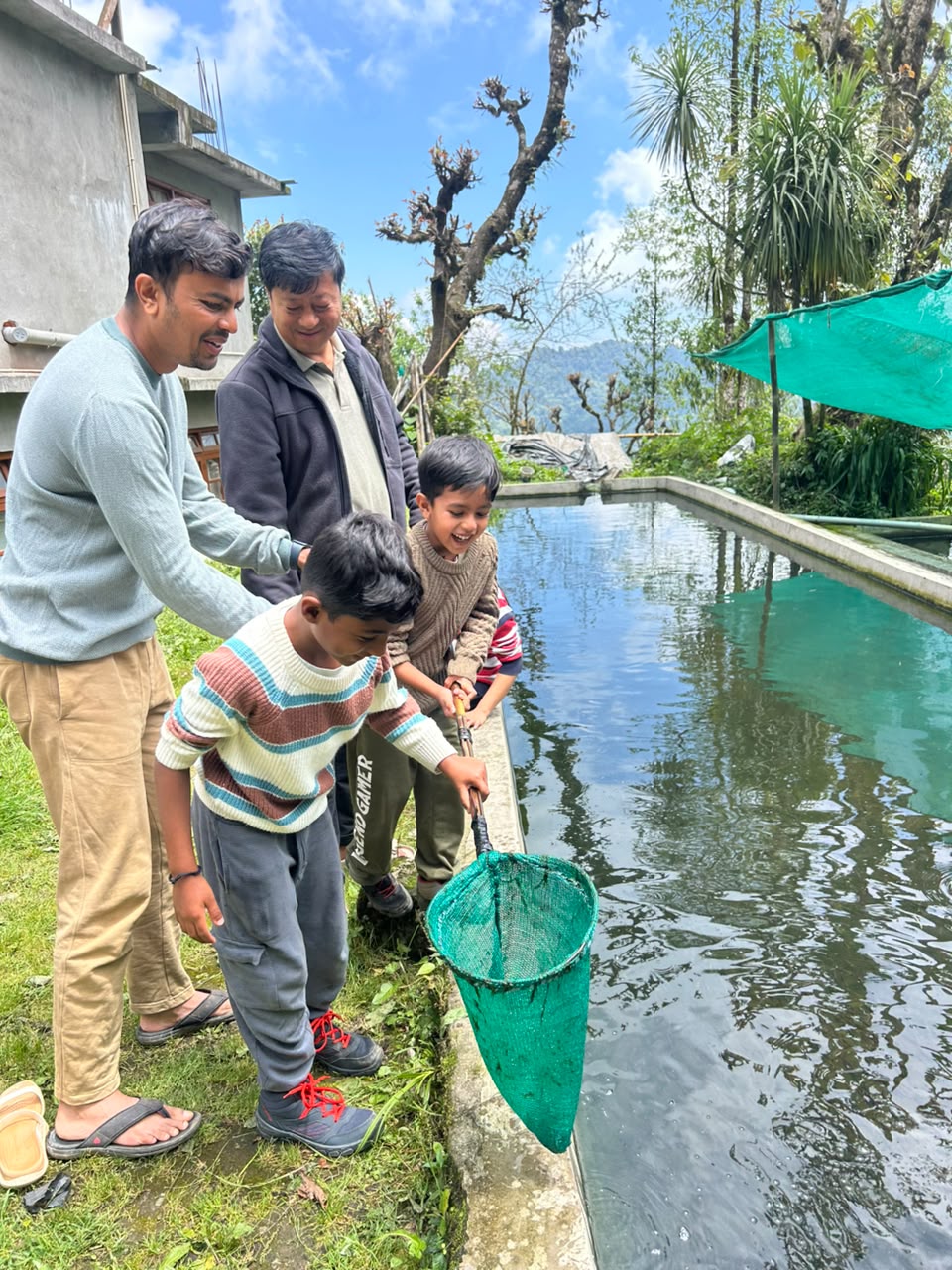
 3D/2NImmersive
Chakung & Sribadam village experience
4.9 ★ · 27 reviews · Sikkim
2D Chakung · 1D Sribadam
₹6,399save ₹1,400
₹4,999 /person
for 5 people
Northeast India · Immersive only
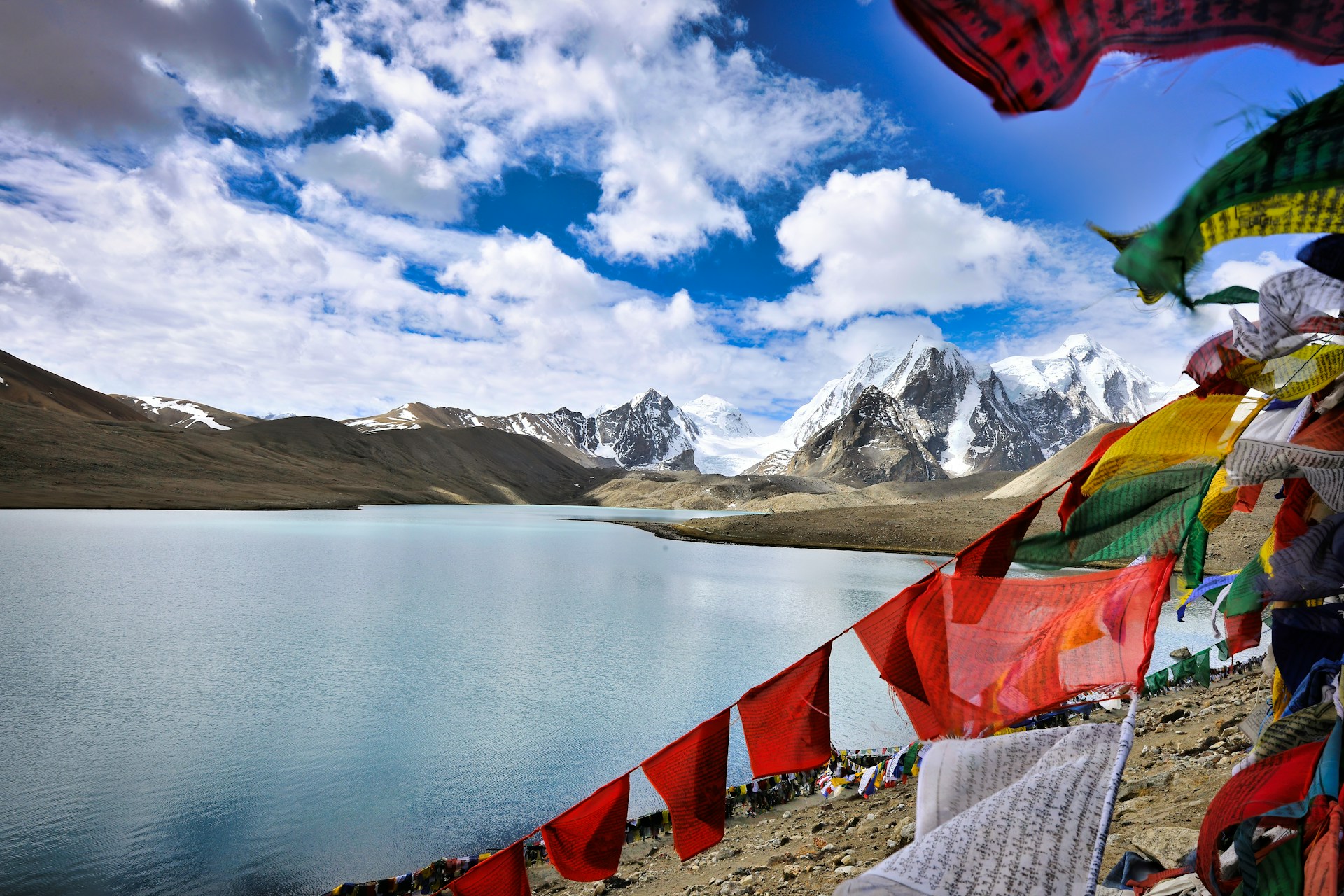
Mountain,himalayas,snow,lakes,river
Sikkim is India's smallest Himalayan state and one of its richest for immersive travel. Monasteries sit above cardamom slopes, village roads climb toward Kanchenjunga views, and hosts still cook for guests the way they cook for family.
Escappa focuses on village-led journeys here, especially West Sikkim stays around Chakung and Sribadam, where trout farms, living houses, and forest walks matter more than rushed sightseeing circuits.
Sikkim's culture draws from Bhutia, Lepcha and Nepali communities, with Tibetan Buddhist traditions visible in prayer flags, monasteries and seasonal rituals. Village life still revolves around farming calendars more than tourism clocks.
In West Sikkim, evenings often include local drinks like tongba, shared kitchens, and stories about land, weather and kinship. Immersive trips work when you stay long enough to meet people twice.
Respect dress codes at monasteries, ask before photographing people, and treat village paths as living spaces rather than scenic backdrops. Hosts will usually tell you what is welcome.
Sikkimese food is mountain food: fermented flavours, millet drinks, momos, thukpa, and fresh greens from kitchen gardens. Trout is a highlight in several West Sikkim villages, especially when grilled the evening you visit the farm.
On immersive stays, hosting families often teach momo folding or serve tongba after dinner. These moments are the trip, not a side activity squeezed between viewpoints.
Losar marks the Tibetan New Year with monastery rituals and family gatherings. Saga Dawa commemorates Buddha's life and fills monasteries with pilgrims and prayer.
Pang Lhabsol honours Mount Kanchenjunga and local guardian deities. Timing a village stay around these festivals needs care: ask hosts what is open to guests and what remains private.
Gangtok is the arrival hub, with Rumtek nearby for monastery visits. Pelling and Yuksom open West Sikkim's ridges and historic routes. For immersion, smaller settlements matter more than the famous town centres.
Chakung and Sribadam offer compact village days: farm walks, folklore, heritage houses, trout farming and short forest trails. North Sikkim's high valleys are dramatic but need permits, logistics and a different trip design.
Sikkim climbs from subtropical valleys to alpine meadows and snow peaks. Khangchendzonga National Park is a UNESCO site with red panda habitat, high pastures and sacred landscapes.
Birders find rich forests. Village travellers will notice more everyday nature: cardamom shade, ridge sunrises, starry nights and forest waterfalls near homestays.
Most visitors fly into Bagdogra or take the rail to New Jalpaiguri, then drive to Gangtok or West Sikkim. Mountain roads can shift with weather, so immersive itineraries should keep buffer time.
Inner Line Permit rules apply for certain areas. Pack layers even in spring. Ask hosts about water heating, walking shoes and evening temperatures before you arrive.
For a focused first trip, choose one village belt and resist the urge to stitch North Sikkim, Gangtok and Pelling into three rushed nights. Depth reads better than coverage on the way home.
Yes. Short village stays in West Sikkim are one of the clearest ways to experience host-led Northeast travel without a long multi-state circuit.
Many popular areas are straightforward for Indian travellers, but some border and North Sikkim routes need permits. Your trip plan should confirm this before travel.
Three days can work for a focused village experience such as Chakung and Sribadam. Five to seven days allow slower monastery and ridge time.
Gangtok is useful for arrival and orientation. For host-led evenings and farm time, West Sikkim villages usually feel deeper.
From October to May is the best time to visit.
Respective Driver from the travel agency you have booked package from will pick you up from NJP or Bagdogra airport (west Bengal)
Live, bookable journeys with village hosts, not classic sightseeing packages.
3D/2NImmersive4.9 ★ · 27 reviews · Sikkim
2D Chakung · 1D Sribadam
₹6,399save ₹1,400
₹4,999 /person
for 5 people
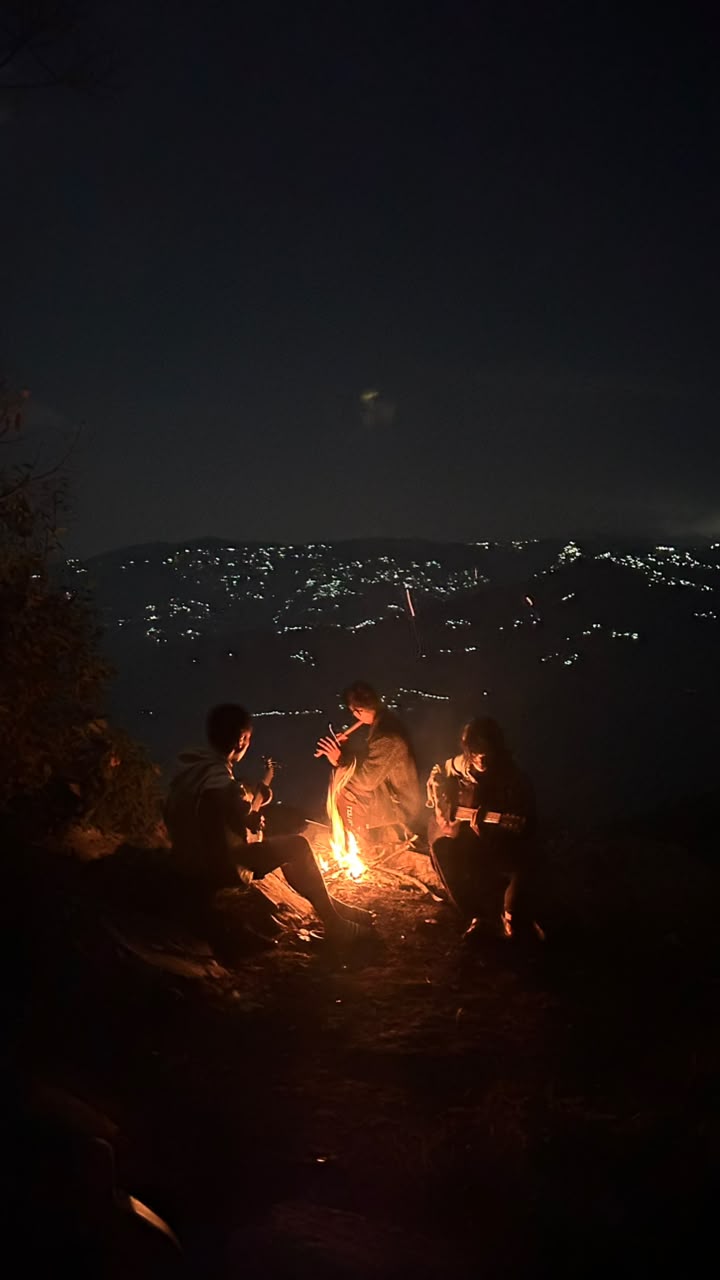 5D/4NImmersive
4.8 ★ · 0 reviews · Sikkim
3D Chakung · 2D Barsey
₹21,000save ₹0
₹21,000 /person
for 5 people
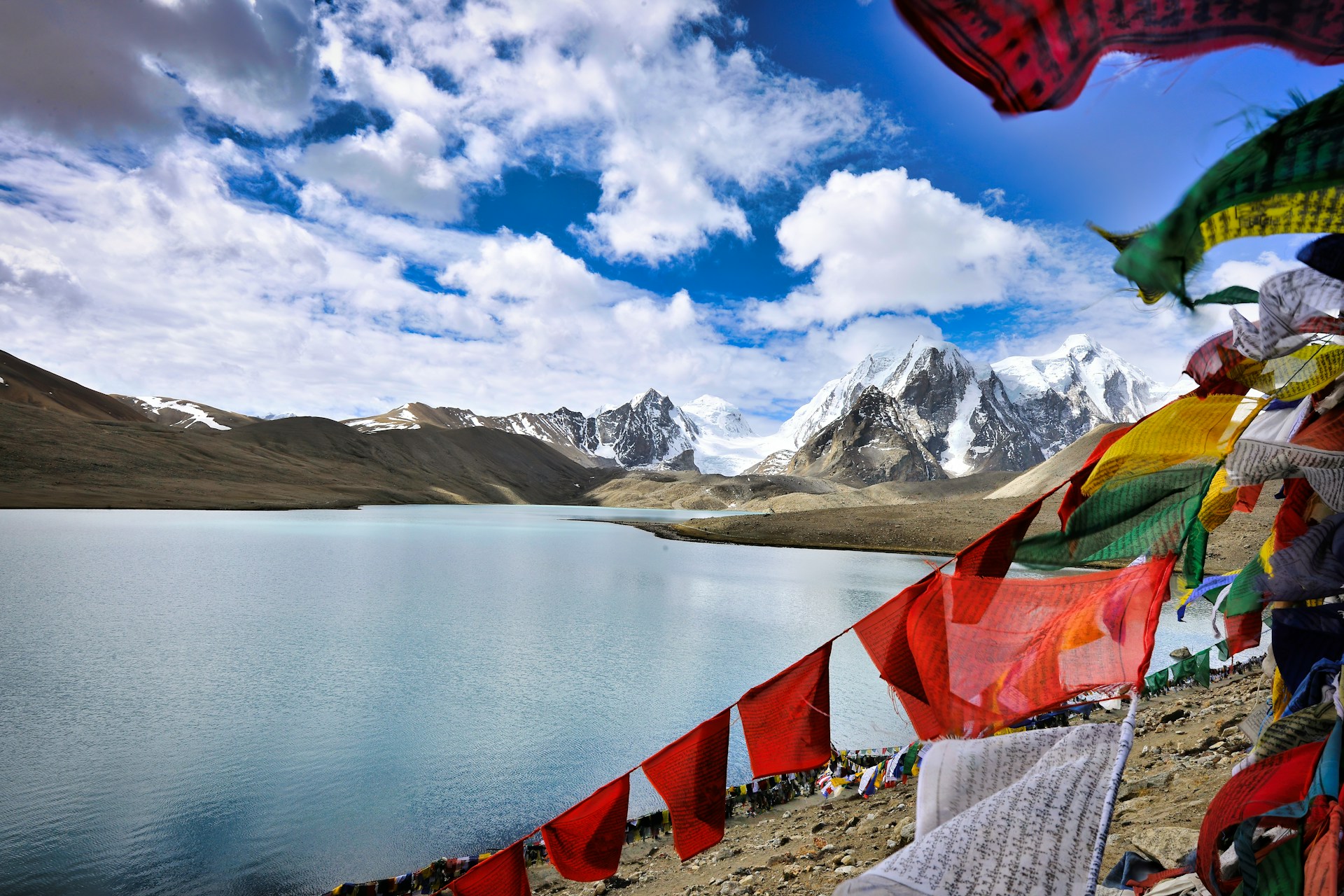 6D/5NImmersive
4.8 ★ · 0 reviews · Sikkim
₹30,720save ₹6,720
₹24,000 /person
for 5 people