
Meghalaya · Khasi villages · Root bridges
Meghalaya beyond Shillong: living root bridges and Khasi village weeks
2 April 2026 · 15 min read
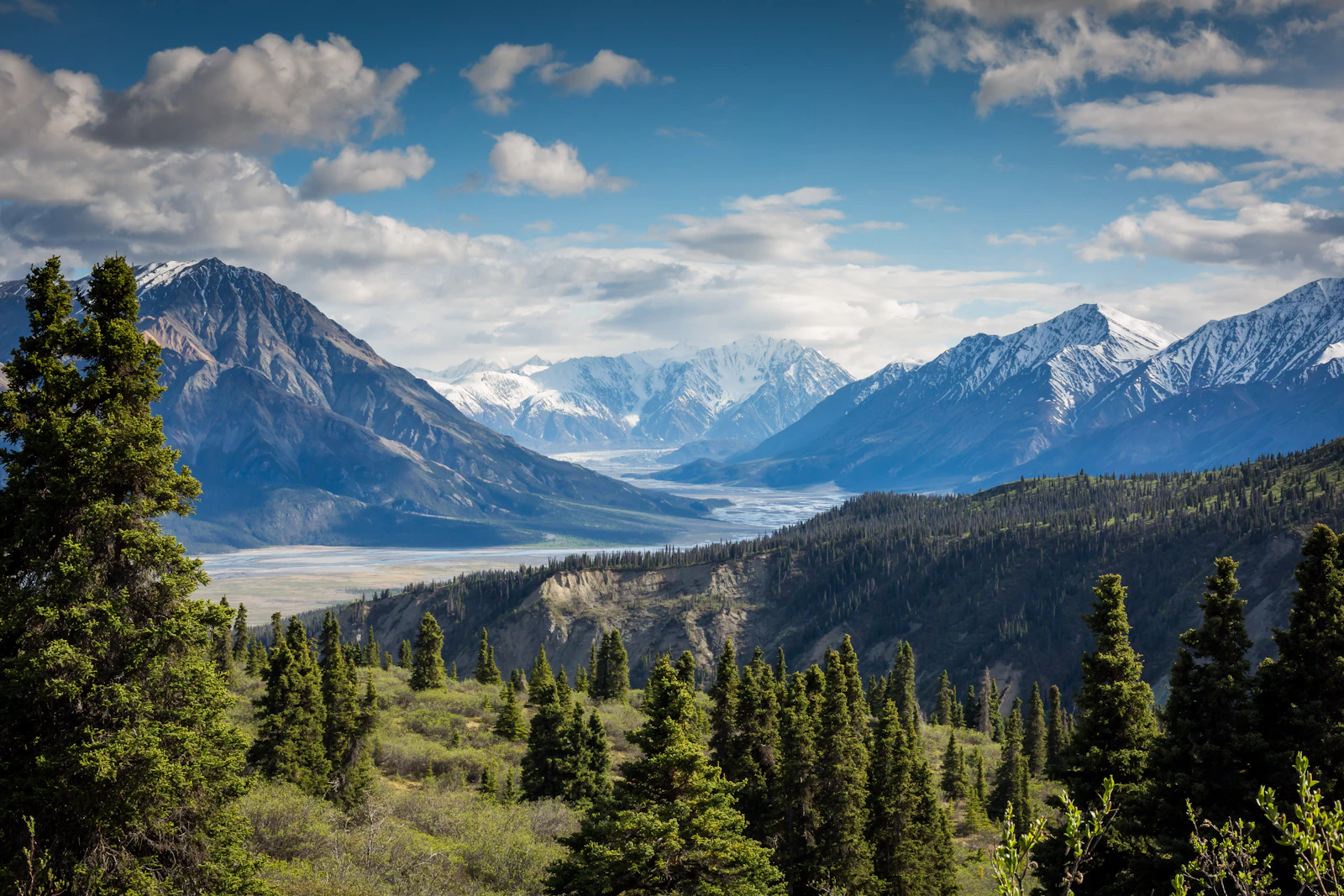
Cloud forests, kwai on the porch, and walks to living root bridges: how to plan an immersive Meghalaya trip outside the tourist loop.
Meghalaya means abode of clouds, and the weather is part of the culture. Travellers who only day-trip from Shillong see waterfalls from parking lots. Travellers who stay in Khasi villages meet the people who maintain living root bridges and cook through the rain.
An immersive Meghalaya week is slower, wetter and more memorable: market mornings, porch conversations with kwai, and forest walks timed for light rather than coach slots.
If you searched living root bridge or root bridge walks near Sohra, pair this guide with our Shillong and Cherrapunji immersive package notes so the bridge day sits inside a real stay, not a coach dash.
Why the Shillong day-trip loop falls short
The classic loop races Dawki, Sohra viewpoints and a bridge walk into one exhausting day. You get photographs. You miss the culture that built those bridges.
Living root bridges are living structures. They deserve early starts, dry socks and respect for the communities that tend them. Overnight stays nearby change the entire experience.
What a Khasi village week can include
A good week mixes one or two village bases with short transfers. Think market visits, kitchen time, waterfall walks on clear windows, and a root bridge day that does not begin at noon in a crowd.
Hosts set the tone. Follow their lead on dress, photography and evenings. Meghalaya hospitality often looks like porch talk and shared plates more than staged performances.
- Two village or hamlet bases instead of nightly hotel hops
- Local guides for forest and bridge trails
- Shared meals and market mornings
- Rest blocks when cloud and rain settle in
Living root bridges: how to visit well
Arrive early. Wear shoes with grip. Carry water and a rain layer. Treat the bridge as a community asset, not a theme-park prop.
If you are travelling in monsoon, accept slippery steps and slower returns. If you dislike steep climbs, choose routes that match your fitness and say so before booking.
Pair bridge days with nights close enough that you are not racing daylight back to Shillong.
Food, markets and everyday culture
Meghalaya food is earthy and regional: smoked meats, jadoh, tungrymbai, fermented soya, local greens and rice. Kwai is a social ritual as much as a snack.
Homestay kitchens teach more than restaurants. Ask before photographing food or rituals. Learn a few greetings. Markets show seasonal produce better than any brochure.
Season strategy for immersive Meghalaya
October to April usually offers clearer walking weather. Monsoon is dramatic and green, but trails are slippery and transfers can delay.
Choose hosts who plan around rain rather than fighting it. Immersive Meghalaya is wet-season aware by design. Read our Meghalaya state guide for culture, festivals and practical notes.
How Escappa approaches Meghalaya
We design place-first journeys: host availability, trail conditions and meal rhythm before landmark checklists. Place first, pace second, checklist last.
If Meghalaya is your first Northeast trip, give it five to eight days. Add Assam or Sikkim only when your calendar is honest. Start at Northeast India or enquire with dates.
FAQ: Meghalaya village travel
Is monsoon a bad time? Not always. It is a different trip: more kitchen time, more waterproofing, more humility about viewpoints.
Can children walk to root bridges? Some routes yes, some no. Share ages and fitness when you enquire so we can match trails.
Do I need a guide? For forest and bridge walks, yes. Local guides protect both you and the place.
Plan an immersive Northeast trip
Tell us your dates. We'll match village hosts in Sikkim, Meghalaya, Assam and more.